The stain is a symptom, not an address
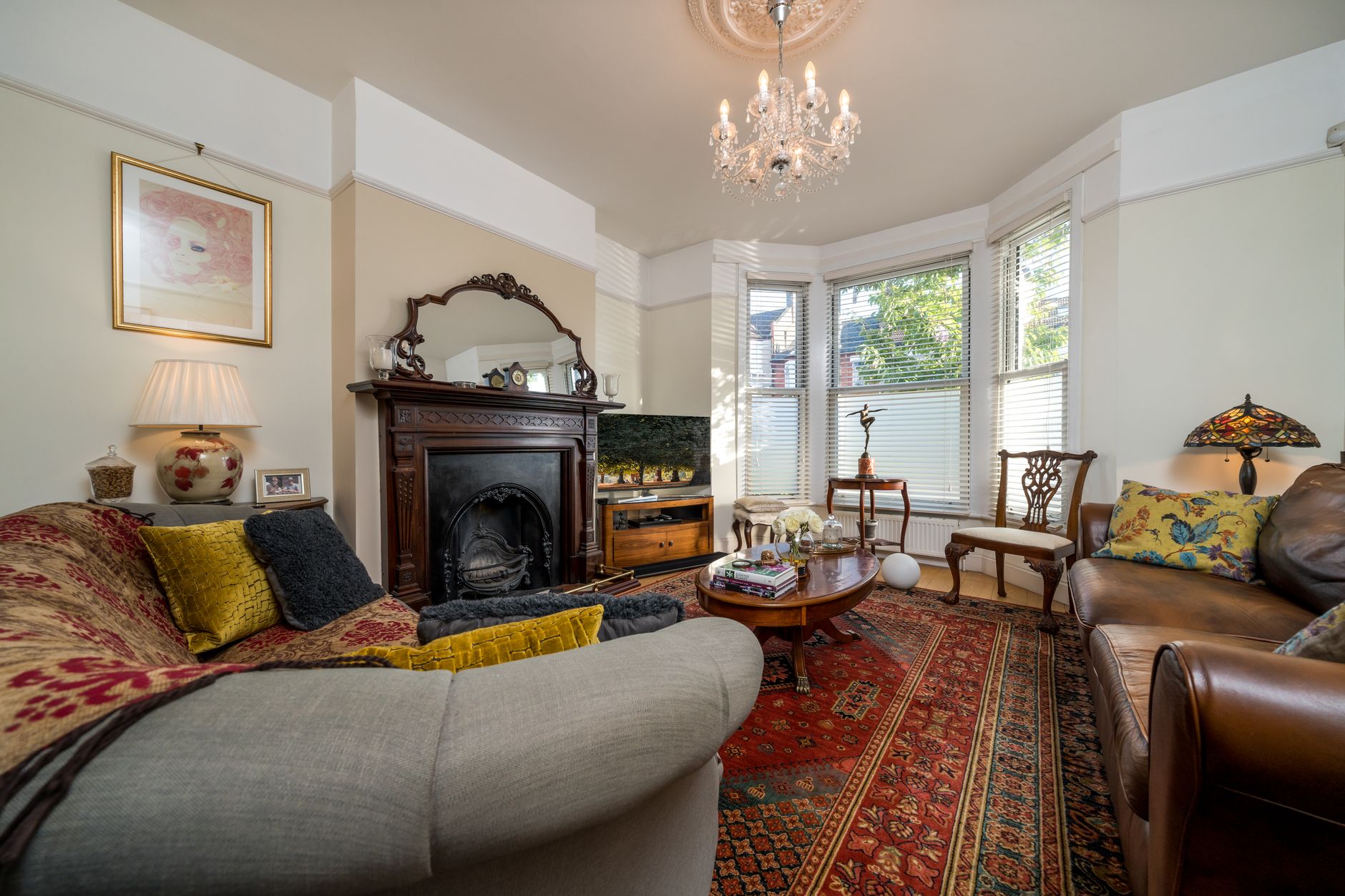
A wet mark beside a fireplace proves water got inside. It says nothing about where. In San Dimas we have traced a living room stain to a rusted cap twenty feet above it, a bedroom wall to one open mortar joint just over the roof, and a hallway ceiling to flashing that only lets go when a storm drives rain sideways off the San Gabriel foothills. All three houses had the same complaint. The bills were nothing alike.
That is why Fanning Chimney Solutions publishes leak work as a range, $525 to $3,150, and not as one figure. The bottom of the range is a single, clear entry point on a roof that is easy to work. The top is a chimney taking water at several places, with wet wood and plaster around it that has to be opened, dried and closed back up.
The first part of every price is the trace. Pay for a repair before the source is found and there is a fair chance you pay twice.
Four suspects, every time
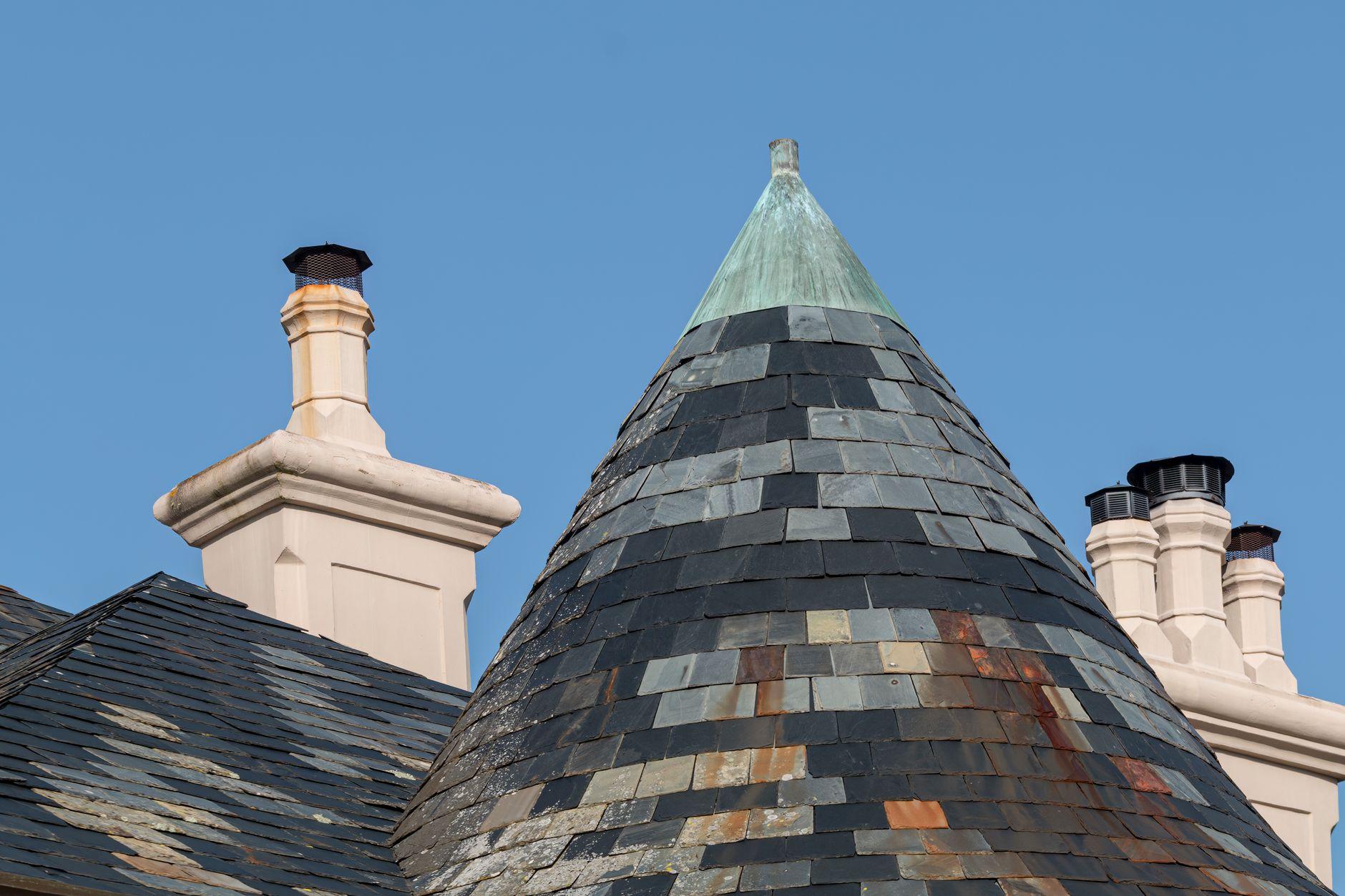
However odd the mark looks, the water came in through one of four parts of the chimney, or through more than one of them.
- The cap, or the lack of one. An open flue faces the sky. In a winter storm it fills the smoke chamber like a rain gauge, the damper rusts from above and water seeps out through the firebox walls.
- The crown. This cement lid over the brick bakes all summer and soaks all winter. Shrink cracks open, water sits in them and works down into the courses below.
- The flashing. The roofer closed the seam between brick and roofing with metal and sealant. Sealant dries out, nails back out, corners lift. On the single story ranch homes common across San Dimas, this is the source we find most often.
- The joints. Brick sheds water well. Sandy, worn mortar does not. Open joints act like wicks and pull rain into the core of the stack.
How the trace works
The visit starts in the room where you saw the water, not on the ladder. We look at the shape of the mark, how high it sits, whether it lines up with the chimney breast or drifts toward a corner, and whether the paint has blistered or only changed color. If the house has an attic, we go up next and study the framing beside the masonry: dark wood, rusty nail tips, flattened insulation and tide lines on the brick all show where water has been travelling.
Then the roof. Each suspect leaves its own marks. Orange streaks under a cap, fine cracks across the crown, a counterflashing edge that has pulled out of its slot, mortar that crumbles under a fingernail. When the marks point two ways at once, a hose settles it. We soak the parts one at a time, starting low and working higher, and check the ceiling between rounds.
You get what we found in writing, with photos of each problem, and a price for the repair before any tool touches the chimney.
Prices we publish
These are the figures for the jobs that come up most in leak work. Everything else is priced from what we measure on the roof.
| Job | Price |
|---|---|
| Leak found at its source and stopped | $525 to $3,150 |
| Cap fitted over an open flue | quoted after we measure |
| Water splitter built on the uphill side of a wide stack | $420 to $945 |
| That splitter, with every step and counter piece renewed | $630 to $1,600 |
Crown work, repointing and a masonry sealer coat have no published figure. They turn on the size of the crown, how many joints are open and what the brick is made of, so you get a written number for them once we have been up there.
What moves your number inside the range
- Count of entry points. One lifted flashing corner is a short job. Flashing, crown and joints all failing at once is three jobs on one chimney.
- Roof type. Concrete and clay tile have to be lifted and relaid around new metal. Composition shingle goes faster.
- Pitch and height. A steep two story roof needs more setup and more care than a low ranch roof.
- What the water has already reached. Soaked insulation, stained drywall or a soft header beside the chimney get dealt with too, and that work belongs in the price.
- Time. A leak caught in its first wet season is cheaper than one that has soaked the same brick for several.
If you have a mark on a ceiling or wall and want a figure, fill in the request form at the top of this page. A few lines do it: which room, roughly how big the mark is, and whether it grows in every shower or only in a hard storm.
Why a slow leak gets expensive
Hard freezes are rare in San Dimas, so the damage here works differently from snow country. Water carries salts out of the mortar, and when summer heat dries the brick the salts stay behind as a white crust. Over a few seasons the faces of the brick start to flake. Inside, the damper plate rusts and seizes. The framing that touches the chimney stays damp long enough to grow mold or go soft. What began as a flashing job turns into a masonry job, then a framing job.
That is the real case for tracing a leak in its first season. The repair is smaller, the price lands near the bottom of the range, and nothing behind the wall has had time to rot.
The same pattern across the valley
Homes in Glendora, Claremont and Walnut show the same four suspects, with one twist on the older streets of Claremont and Glendora: brick chimneys there often carry flashing that has been patched over more than once instead of replaced. Wherever the house is, we start indoors and work up. More on each repair: chimney leak repair, flashing repair, cap installation, crown repair and masonry repair. If you are not sure which part is at fault, flashing or crown walks through the clues.
Before the next storm
If the ring is still on your ceiling and rain is in the forecast, book a leak trace on our contact page and we will start at the stain and follow it up to the roofline.
Want the Water on Your Chimney Traced?
Fanning Chimney Solutions starts at the mark indoors, checks the attic side, then reads the seam, crown, cap and brick from the roof. We cover San Dimas, Glendora, Claremont, Walnut and the cities around them.