Same ceiling, two different leaks
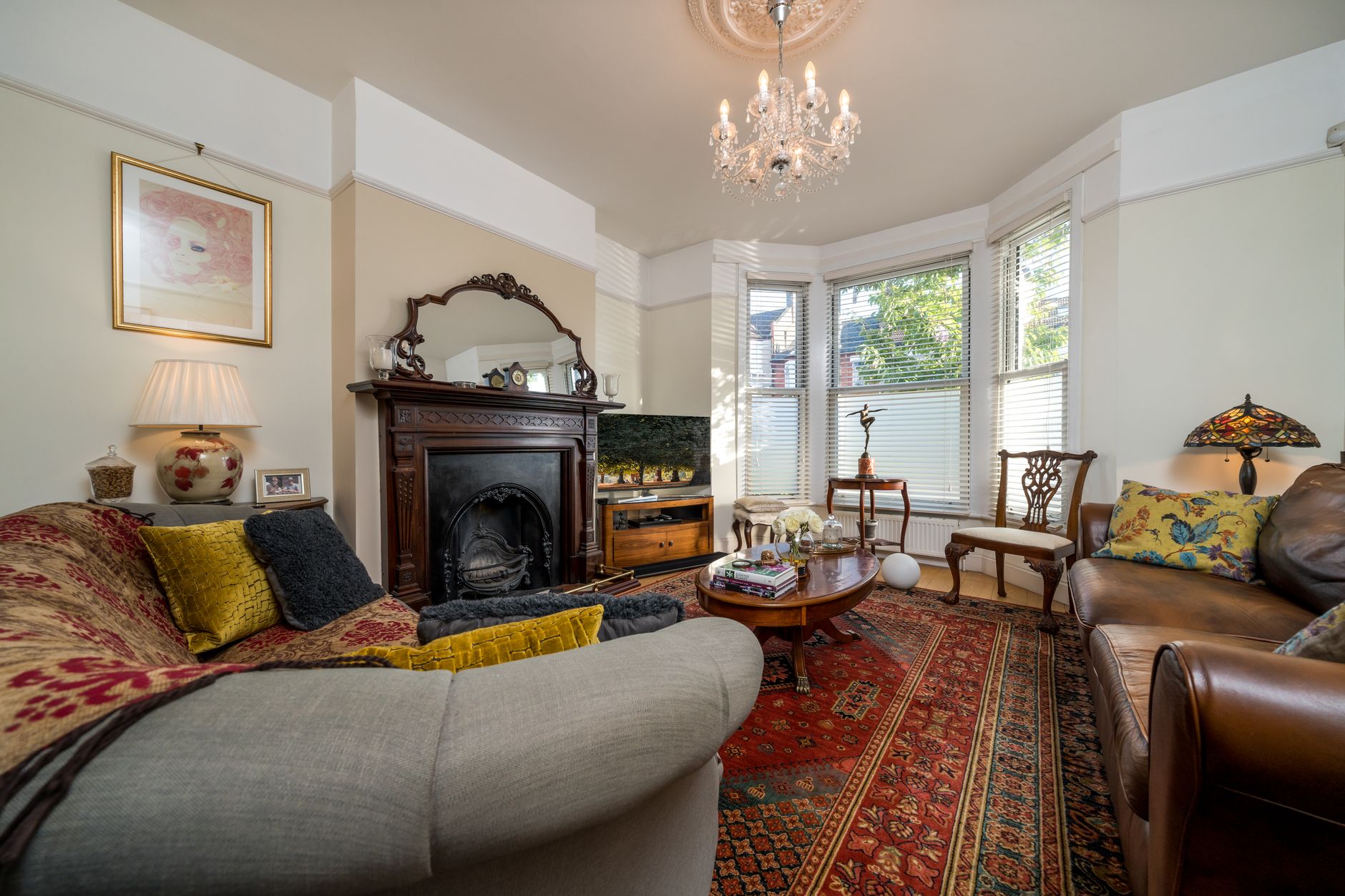
Two houses on one San Dimas street can share the same tan ring beside the fireplace. At the first, water is slipping under lifted metal where the chimney meets the roof. At the second, it is dropping through a split in the cement at the very top and soaking down inside the brick. The ring looks identical. The repair, the crew time and the price do not.
Owners usually open with one question: is it the roof or the chimney? The honest answer is that the flashing belongs to both trades, while the crown belongs only to the chimney. Telling the two apart is most of what a leak visit is for.
Clues you can read from indoors
Nobody settles it from the sofa, but the house does drop hints.
- Where the mark sits. Flashing leaks tend to surface at or just under the ceiling line, close to where the roof deck meets the masonry. Crown leaks travel further down inside the brick and often appear lower: on the chimney breast itself, inside the firebox or around the damper.
- When it appears. Flashing tends to give way when wind is behind the rain, pushing water sideways into the seam. A cracked crown takes water in steady rain from any direction, and can keep weeping for a day after the clouds clear, because brick holds water like a sponge.
- What the firebox looks like. Rust on the damper, white crust on the firebrick or a damp smell from the opening all point up the flue, toward the crown or the cap, rather than out to the roof seam.
- What the attic shows. Wet framing right beside the chimney with dry brick above it suggests the seam. Damp brick from the roof deck upward suggests the water arrived from the top.
No single clue proves anything. Together they tell us where to start.
Failing flashing, up close
Metal at the roof line comes in two overlapping layers. The lower pieces are woven in with the roofing. The upper pieces sit in a cut along a mortar joint and bend down to overlap them, so rain sliding off the brickwork drops onto the outer side of the lower layer. Built that way, roof and chimney can shift a little against each other without a gap opening.
What we find instead: counterflashing that has pulled out of its slot because the mortar holding it crumbled, a bead of caulk standing in for a proper slot, rusted steel on older roofs, a back corner where nobody folded the metal correctly, and pieces that a past reroof worked around instead of replacing. On a wide chimney, the uphill face is where water piles up and where the metal gives out first.
Failing crowns, up close
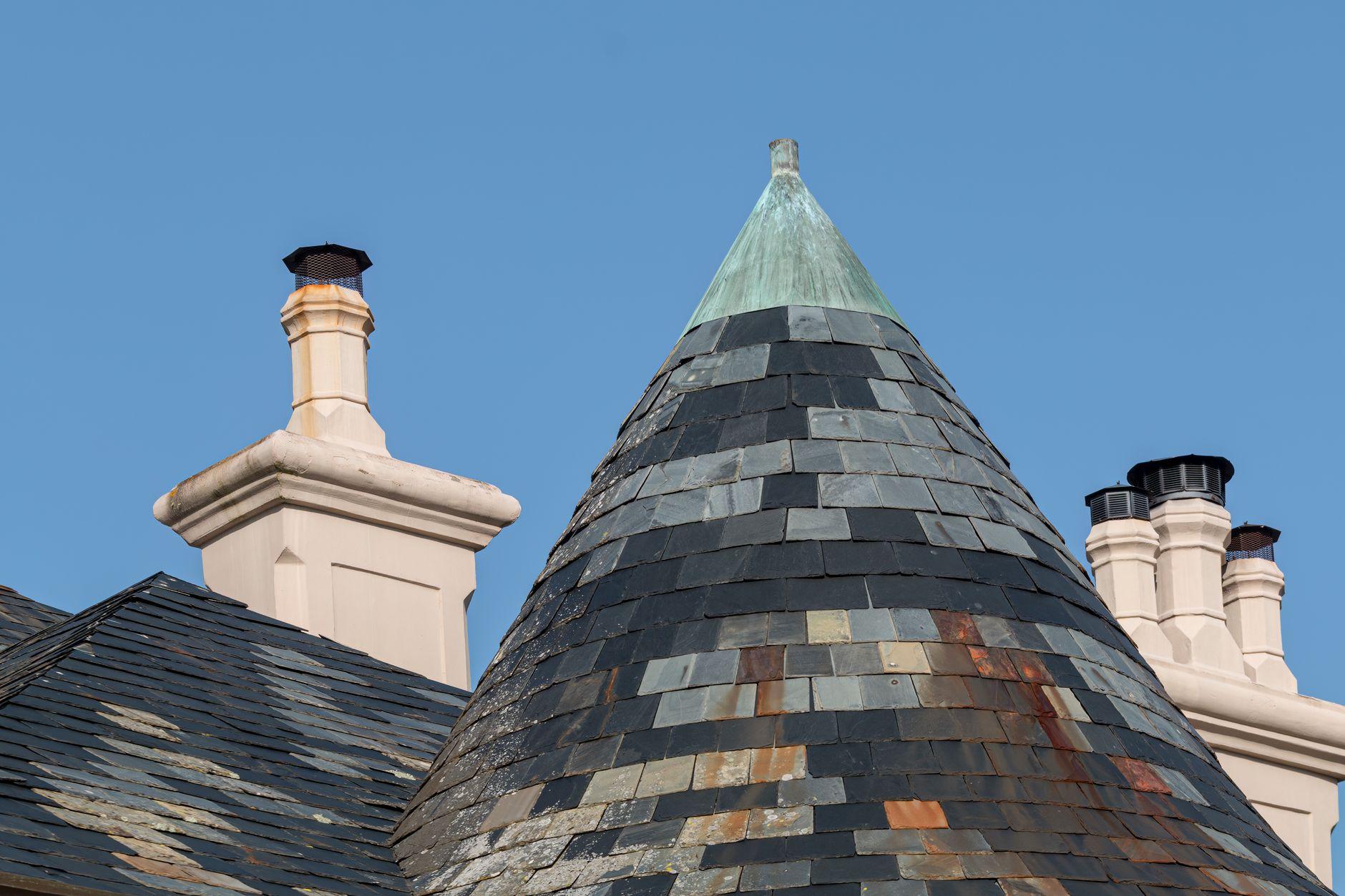
The crown is the slab of cement over the top course of brick, around the flue tile. A sound one slopes outward and hangs past the brick so rain drops off its edge. Plenty of crowns on older San Dimas houses were troweled flat and flush with the brick, so rain runs straight down the face instead.
Common faults: shrink cracks that open wider each summer, a crown poured hard against the flue tile so the tile breaks it as it heats, corners knocked off, and a crown so thin it has cracked right through.
Two very different repairs
Flashing. A lifted corner or a missing slot can be fixed where it is: a fresh cut into a mortar joint, the counterflashing set back into it and sealed. Rusted, patched or caulked flashing gets replaced as a set. On a wide stack we usually add a cricket at the same time, a little ridge on the uphill side that steers water off to each side of the chimney.
Crown. If the crown is still in one piece, the cracks are cleaned and the whole slab coated with a crown compound that stretches with the heat. If it has broken through, or was never shaped to shed water, it comes off and a new one is formed with a proper slope, an overhang and a break around the flue tile so the two can expand without fighting.
Prices for the work we publish
| Work | Price |
|---|---|
| Uphill diverter on its own | $420 to $945 |
| Diverter plus fresh step and counter pieces all round | $630 to $1,600 |
| Leak traced and stopped, whatever the source | $525 to $3,150 |
Flashing repairs without a cricket, and every kind of crown work, carry no published figure. Their size and condition decide them, and you get a written number from the visit.
What decides which one you pay for
The trace decides, and the trace starts indoors. We read the mark, check the attic and then the roof, and when the clues still disagree we wet one part at a time and watch the ceiling. Only then does a price go on paper.
To start that process, send a few lines through the form at the top of this page. Mention whether your mark shows up after windy rain or after any rain at all, and whether the damper or firebox has rust on it. Those two answers already point us at one side or the other.
When the answer is both
It often is. A crown that has leaked for years softens the joints just under it, including the joint that holds the counterflashing. The metal then pulls loose, and a second leak opens beside the first. Fixing one and not the other moves the stain a few inches and leaves the bill for later. Our written scope covers every source we find, each on its own line, so you can see why it is there.
For the detail on each repair, see chimney flashing repair, chimney crown repair and chimney leak repair. For the full price picture on leak work, read what a chimney leak costs.
Get it traced
Whether the ring sits high or low, ask for a leak visit on the contact page. We will tell you which part let the water in before we tell you what it costs to stop.
Want the Water on Your Chimney Traced?
Fanning Chimney Solutions starts at the mark indoors, checks the attic side, then reads the seam, crown, cap and brick from the roof. We cover San Dimas, Glendora, Claremont, Walnut and the cities around them.